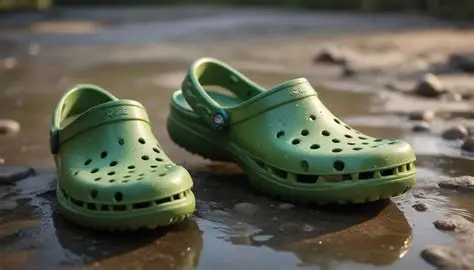
If you told someone in 2010 that the world’s biggest pop stars and luxury fashion houses would be fighting to design a pair of Crocs, they would have laughed you out of the room.
For nearly a decade, the foam clog wasn't just considered “uncool”, it was a social crime. It was the shoe of gardeners, toddlers, and hospital workers. Time Magazine even officially branded it one of the "50 Worst Inventions" on earth.
Yet, here we are. Today, Crocs are a global cultural powerhouse. Limited-edition drops sell out in minutes, and Gen Z treats them like collectible Jordans.
So, how did a shoe widely mocked for being hideous pull off the ultimate retail redemption story? It didn't change its design. It changed its mindset.
The Dark Ages: The "Ugly" Era (2008–2016)
After an initial boom as a comfort novelty in the mid-2000s, the bubble burst. Following the 2008 financial crash, the novelty wore off and the fashion world heavily rejected the brand.
Crocs faced a massive identity crisis. They were bleeding money, closing hundreds of stores, and facing near-bankruptcy. Wearing them in public became an internet memethe ultimate symbol of having given up on fashion.
The brand stood at a crossroads: change the shoe to look "normal," or double down. They chose to double down.
The Turning Point: "Come As You Are"
In 2017, Crocs launched a marketing masterstroke: the "Come As You Are" campaign.
Instead of apologizing for being ugly, Crocs leaned entirely into it. They hired authentic, unapologetic celebrities like Drew Barrymore and John Cena to spread a new message: being comfortable in your own skinand your own shoesis the ultimate form of confidence.
The narrative instantly shifted. It was no longer "This shoe is hideous." It became "I am confident enough to wear what I want, regardless of your opinion."
Phase 1: High-Fashion Shock Value
To completely rewrite the rulebook, Crocs went somewhere nobody expected: the luxury runways of Europe.
Christopher Kane (2016): The Scottish designer shocked London Fashion Week by sending models down the runway in marble-printed Crocs adorned with mineral rocks.
Balenciaga (2017): Luxury house Balenciaga raised the stakes by releasing a towering, $850 four-inch platform Croc.
By capturing the attention of the high-fashion elite, Crocs transitioned from "cheap and ugly" to "ironic luxury status symbol."
Phase 2: The Hypebeast & Celebrity Takeover
Once the fashion world gave Crocs the green light, the brand pivoted to Gen Z and sneakerhead culture by treating their foam clogs like limited-edition sneaker drops. They partnered with the biggest names in music and streetwear:
Post Malone (2018): The first major musician collaboration. His rugged, yellow-and-black designs sold out in literal minutes, proving that hypebeasts would proudly wear Crocs.
Bad Bunny (2020): The Latin superstar dropped an all-white, glow-in-the-dark clog that caused massive digital stampedes on resale sites.
Justin Bieber (2020): Bieber’s bright yellow collaboration with his streetwear brand, Drew House, famously sold out worldwide in just 90 minutes, temporarily crashing the Crocs website and driving the company's stock price up by over 11%.
The Pandemic Boom: Comfort is King
When global lockdowns hit in 2020, fashion priorities changed overnight. No one cared about high heels or stiff dress shoes. Everyone wanted comfort, and Crocs was perfectly positioned.
Combined with the booming trend of Jibbitz™ charms which allowed Gen Z to fully customize their shoes on TikTok, Crocs became the definitive shoe of the decade.
The Lesson of the Croc
The story of Crocs is the ultimate lesson in brand authenticity. Crocs didn't survive by trying to fit in or fixing what made them weird. They survived by owning their flaws, leaning into their comfort, and weaponizing their "ugliness" into a badge of honor.
The next time someone tells you your outfit looks weird, just remember: you're not ugly, you're just ahead of the runway trend.