
How Swarovski Turned “Fake Jewellery” Into Fashion Luxury
There was a time when Swarovski existed in an awkward middle ground.
Too expensive to be called “cheap jewellery,” yet still dismissed by many as “fake” because it wasn’t made from precious stones.
A ₹15,000 Swarovski necklace often made people ask:
“Why would someone pay that much for imitation jewellery?”
But beneath the sparkle was something deeper — a century-old legacy of craftsmanship, precision, and artistry.
The Turning Point
By 2020, Swarovski realized it needed more than a refresh.
It needed a complete reinvention.
The company brought in Giovanna Engelbert as its first-ever Global Creative Director.
Her vision was bold:
“Swarovski is not about imitation. It’s about imagination.”
That became the foundation of the brand’s rebirth.
The Reinvention
Everything started changing.
• The iconic Swan logo was redesigned.
• Stores transformed into immersive “Wonderlabs.”
• Jewellery became bold, expressive, and fashion-first.
Instead of trying to imitate luxury, Swarovski created its own version of luxury.
Bright pinks, emerald greens, and dramatic crystal designs replaced the old safe and subtle aesthetic.
The brand stopped apologizing for what it wasn’t — and fully embraced what it was.
The Cultural Shift
Then came the moments that changed public perception.
Swarovski crystals began appearing everywhere culture mattered:
• Taylor Swift’s tour outfits
• Met Gala fashion looks
• Collaborations with Prada, Balenciaga, and Givenchy
• References to Marilyn Monroe’s iconic crystal-covered dress
What people once called “fake jewellery” slowly became part of fashion history itself.
Selling More Than Jewellery
Swarovski didn’t just sell accessories anymore.
It started selling:
• Emotion
• Creativity
• Fashion culture
• Experiences
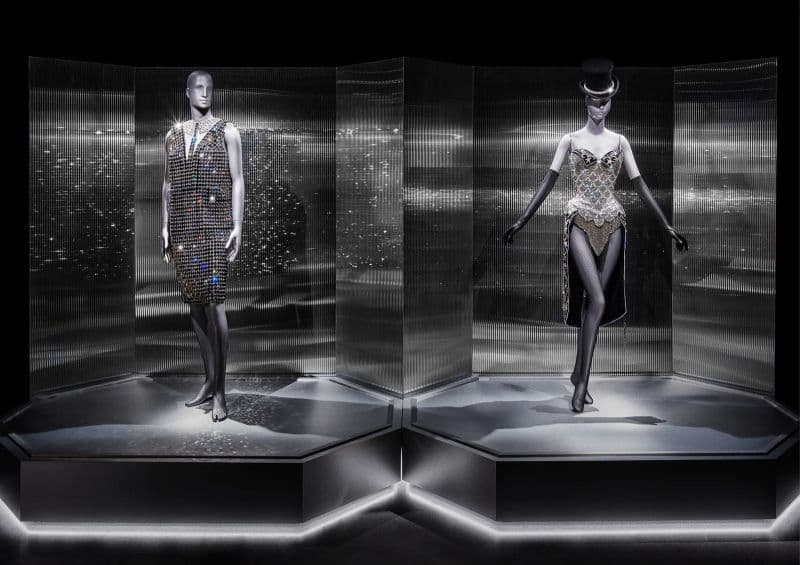
Global exhibitions showcased Swarovski crystals as art, not just jewellery.
Consumers stopped buying Swarovski because it looked like diamonds.
They started buying it because it looked unmistakably Swarovski.
The Result
In just a few years, Swarovski transformed its image from:
“A substitute for luxury”
to
“A symbol of expressive luxury.”
Today, the brand competes on emotion, storytelling, creativity, and cultural relevance — not just materials or price.
The Real Lesson
Luxury isn’t always about price.
It’s about perception.
The strongest brands don’t just sell products.
They shape how people feel.
And sometimes, to be seen differently…
you have to shine differently.